Harrow council cleaning permits and waste disposal rules
Posted on 19/08/2026
If you are planning a big clear-out, arranging a deep clean, or dealing with awkward items after a tenancy ends, Harrow council cleaning permits and waste disposal rules can make the job feel more complicated than it should. One minute you are booking a cleaner; the next you are wondering whether a skip needs a permit, where rubble or old mattresses can go, and what counts as fly-tipping. It is a fairly common headache, to be fair.
This guide explains the practical side in plain English. You will learn when permits may be needed, how waste disposal usually works in Harrow, what mistakes to avoid, and how to stay on the right side of local requirements without overthinking every bin bag. If you are also comparing cleaning options, it may help to skim our services overview or read more about deep cleaning in Harrow for context.
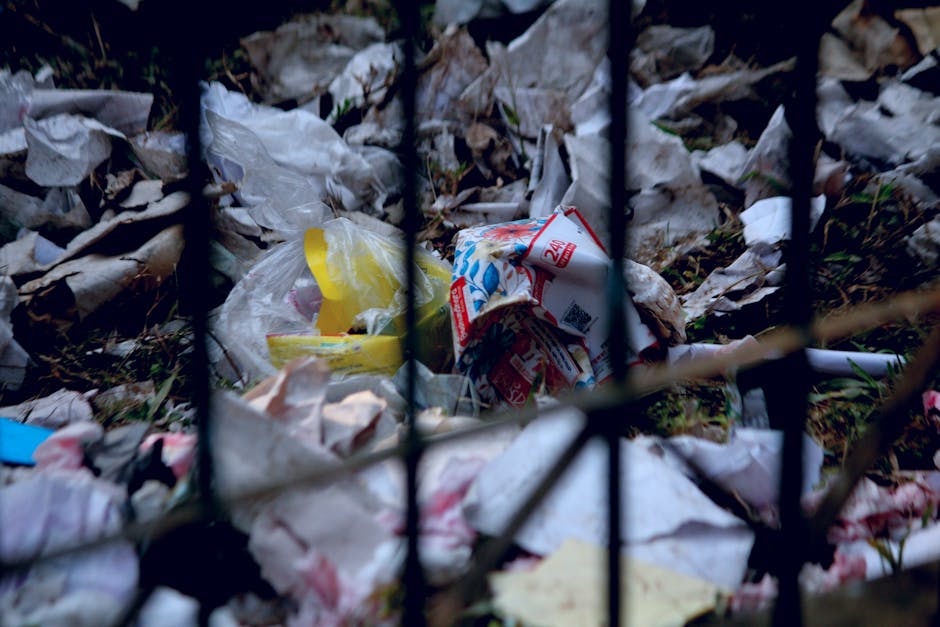
Why Harrow council cleaning permits and waste disposal rules Matters
The short version? These rules affect cost, timing, and what you can legally leave outside your property. If you are cleaning a home, office, rental flat, or communal area, waste is almost always part of the story. Dirty carpets, broken furniture, old bedding, bags of clutter, and renovation debris do not disappear by magic. They need to be sorted, stored, moved, and disposed of correctly.
In Harrow, as in other London boroughs, the practical challenge is usually not the cleaning itself. It is the disposal plan. A permit may be needed if you place a skip on a public road. Bulky waste may need to be booked or taken to the right facility. Hazardous items need even more care. Get that part wrong and you can end up with delays, extra charges, or a very awkward conversation with a landlord or property manager.
There is also the reputational side. For landlords and businesses, poor waste handling can look sloppy at best and negligent at worst. For households, it can mean missed collection windows, clutter returning after a clean, or even fines if waste is dumped improperly. Nobody wants that, especially after spending time and money making a property look presentable.
Expert summary: Clean first, dispose correctly, and document what you have removed. That simple order saves most people time, stress, and repeat trips.
If you are preparing a rental property, our end of tenancy cleaning service and the related Harrow end of tenancy cleaning quotes and availability guide may also help you plan the job more sensibly.
How Harrow council cleaning permits and waste disposal rules Works
Think of the process in layers. First, identify what you are trying to remove. Then decide how it should be handled. Finally, check whether any permission, booking, or specialist collection is needed. Simple enough on paper. In real life, a pile of old stuff in the hallway can make the decision tree feel longer than a Monday morning queue at the bins.
Here is the basic logic:
- Normal household waste goes into the standard collection system, provided it fits the usual rules for bins, sack presentation, and collection days.
- Bulky waste such as sofas, mattresses, wardrobes, and large appliances often needs separate collection or drop-off arrangements.
- Construction or renovation waste like plaster, tiles, broken fixtures, and packaging often needs a different disposal method from domestic rubbish.
- Skip placement may require a permit if the skip sits on public land, such as a road or pavement.
- Special waste such as paint, chemicals, fluorescent tubes, or contaminated materials may need more careful handling.
Cleaning contractors often split their work into two phases: removing waste generated by the clean, and leaving the rest of the waste stream to the client or property manager. That distinction matters because a cleaner is not automatically a waste carrier for everything in the property. If you are comparing home services, our domestic cleaning in Harrow and house cleaning in Harrow pages show the kind of support people usually need around the clean itself.
For businesses, waste handling can be even more structured. Office clearances tend to involve confidential paperwork, furniture, packaging, and regular waste streams all at once. You can read more in our commercial cleaning guide for Harrow businesses near the Civic Centre and our office cleaning Harrow service page.
Key Benefits and Practical Advantages
Following the right permit and disposal process sounds administrative, and it is, but the benefits are very concrete.
- Fewer delays because waste can be removed without last-minute rework.
- Lower risk of penalty or dispute if you are not leaving materials in the wrong place.
- Cleaner final result since the property is genuinely clear, not just surface-cleaned.
- Better landlord and tenant handovers when waste and cleaning are planned together.
- Safer working conditions for cleaners, residents, and anyone moving heavy items.
- More accurate budgeting because disposal is not treated as a surprise add-on.
The practical win is this: good disposal planning reduces repeat labour. A team that has to keep stepping around boxes, broken chairs, or old bedding will take longer, and you will usually feel that in the final invoice. If you want a broader sense of pricing structure, our carpet cleaning in Harrow and real cost guide can help you see where labour, access, and extras may affect the total.
There is also a cleanliness benefit that people overlook. Waste attracts dust, odour, and sometimes pests. Clearing it early makes the rest of the clean easier, fresher, and more effective. You will notice the difference almost immediately, especially in enclosed flats or older properties where air circulation is not brilliant.
Who This Is For and When It Makes Sense
This topic is relevant to a lot more people than you might expect. If you are in Harrow and any of the following applies, it is worth paying attention.
- Homeowners doing a clear-out, renovation, or spring reset.
- Tenants leaving a property and trying to avoid deductions or disputes.
- Landlords preparing a flat between occupiers.
- Letting agents coordinating end-of-tenancy turnaround.
- Businesses clearing offices, stock rooms, or shared spaces.
- Families dealing with bulky items after furniture replacement.
- Anyone booking a deep clean where clutter, waste, or access issues may slow things down.
It makes sense to plan around Harrow council cleaning permits and waste disposal rules when the job involves more than a few bin bags. A standard weekly clean rarely needs this level of thinking. A move-out clean, a spring clean after years of build-up, a post-party reset, or a refurbishment absolutely does.
For a less stressful home reset, the spring cleaning Harrow page is a useful starting point, while the one-off cleaning Harrow option suits bigger occasional jobs.
Step-by-Step Guidance
If you want a simple process that does not spiral into admin chaos, use this sequence.
- List every item to be removed. Separate normal rubbish, bulky items, hazardous materials, and anything you may want to keep.
- Decide what the cleaner will handle. Some teams remove light waste generated during the clean; others focus on cleaning only.
- Check whether a permit is needed. If you are using a skip on the road or pavement, confirm whether permission is required before delivery.
- Book the right disposal route. Choose bulky waste collection, skip hire, charity reuse, recycling, or direct transport depending on the item.
- Prepare access. Hallways, stairs, parking, and lift access can all affect how long the job takes.
- Schedule the clean at the right point. In many cases it is better to remove bulky waste before the final deep clean, not after.
- Keep evidence. Photos, receipts, booking confirmations, and item lists are helpful if there is any later dispute.
A practical example: if you are clearing a one-bedroom flat, an old mattress, a broken desk, and three bags of mixed clutter might need different disposal routes. The mattress may need a separate bulky collection. The desk might be suitable for reuse or skip disposal. The bags can go in standard waste if they are allowed and properly presented. That mix-and-match approach is normal.
If you are moving out, our guide to Harrow council rules affecting mattress disposal and cleaning is closely related and worth reading alongside this article. It covers the sort of bedroom-clearance scenario people often forget until the last evening. Classic.
Expert Tips for Better Results
These are the small things that tend to make a big difference.
- Clear waste before the deep clean where possible. It gives cleaners full access and avoids dirtying freshly cleaned areas.
- Use a room-by-room approach. This stops useful items being thrown out in a rush.
- Separate recyclable items early. Cardboard, metal, and some plastics are easier to sort before everything is bagged together.
- Measure bulky items. A sofa that will fit through one door may not make it round a stair landing. Annoying, but true.
- Plan for odour control. Waste left in a property for too long can affect carpets, upholstery, and soft furnishings.
- Ask in advance who is responsible. In managed buildings, responsibilities can sit with the tenant, landlord, managing agent, or contractor.
One thing we see again and again: people focus on the visible mess and forget the hidden residue. Dust behind furniture, old tape on skirting boards, and crumbs in carpet edges can all linger after the waste is removed. That is why a proper clean and a proper disposal plan work best together. If upholstery or carpets need attention too, consider upholstery cleaning in Harrow and our rug cleaning restoration case study for a sense of how fabric care fits into the bigger picture.
And yes, sometimes a skip feels like the obvious solution because it is visually satisfying. A giant metal box. Job done, right? Not always. If the waste volume is modest, a bulky waste booking or phased removal can be cleaner, cheaper, and less disruptive.

Common Mistakes to Avoid
Most problems with cleaning permits and waste disposal are avoidable. They usually come from rushing, guessing, or assuming someone else has dealt with it.
- Leaving a skip on the road without checking permission. That is a fast way to create trouble.
- Mixing hazardous waste with normal waste. Paint, chemicals, and similar items often need separate handling.
- Forgetting access constraints. Narrow streets, parking limits, and stair-only properties all affect removal.
- Booking cleaning before waste clearance. This can create backtracking and extra labour.
- Assuming every item can go in one collection. It rarely works that neatly.
- Not keeping records. If a landlord, client, or neighbour questions what happened, you want a paper trail.
There is also a surprisingly common social mistake: telling the cleaner, "Oh, there's just a few bits to move," when there is actually a small mountain in the spare room. Better to be honest early. Everyone saves time, and nobody gets grumpy at 4 p.m. with a hallway full of bagged clutter.
For more practical cleaning advice that helps prevent budget surprises, our hidden charges guide for Harrow carpet cleaning and common carpet cleaning mistakes article are both worth a look.
Tools, Resources and Recommendations
You do not need a complicated toolkit, but a few simple things help the process run smoothly.
- Rubbish sacks and heavy-duty bags for sorted waste.
- Labels or marker pens to mark keep, donate, recycle, and dispose piles.
- Measuring tape for bulky items and access points.
- Camera or phone photos for before-and-after records.
- Gloves and basic protective gear for handling sharp or dirty items safely.
- Booking notes with dates, collections, and permit details.
For service planning, a sensible place to start is our pricing and quotes information, then the request a quote page when you are ready to compare your options. If you are unsure how a job should be scoped, contact us and ask a few direct questions first. A ten-minute call can save a lot of back-and-forth later.
For related reading on local life and property decisions in the area, these pages may also be useful in a broader planning sense: Harrow home buyer checklist and Harrow real estate smart investment guide. They are not about waste disposal directly, but they do help when a property handover or refurbishment is part of the same project.
Law, Compliance, Standards, or Best Practice
Here we should be careful and clear. Local rules can change, and exact Harrow council processes may vary depending on the type of waste and where it is stored. So rather than pretending there is one neat rule for everything, it is better to follow the general UK approach to waste duty, property access, and public-space use.
As a rule of thumb:
- Do not place waste where it obstructs the highway or walkway unless you have the relevant permission.
- Use appropriate disposal routes for different waste types instead of mixing everything together.
- Keep controlled or hazardous items separate and handle them conservatively.
- Make sure contractors understand their responsibilities before work starts.
- Follow building rules as well as council guidance in flats, estates, and managed properties.
From a practical compliance perspective, the biggest risk is not ignorance in the dramatic sense. It is casual assumption. Someone thinks the builder will collect the debris, or the cleaner will take the mattress, or the skip can sit outside overnight with no issue. That is where problems begin.
For peace of mind, reputable cleaning firms should also work with proper business practices around safety, insurance, and terms. If you are checking that side, these pages are useful: insurance and safety, health and safety policy, and terms and conditions. They are the sort of pages that do not look exciting at first glance, but they matter when things get messy. Literally.
Options, Methods, or Comparison Table
Different disposal methods suit different jobs. This table gives a practical comparison without pretending every property is the same.
| Method | Best for | Pros | Watch-outs |
|---|---|---|---|
| Standard waste bins | Small household rubbish | Simple, familiar, low effort | Limited capacity; not for bulky or restricted items |
| Bulky waste collection | Mattresses, sofas, large furniture | Convenient for one-off clear-outs | Needs booking and timing; item rules can be strict |
| Skip hire | Large clearances and renovation waste | Handles volume well; keeps waste on site | May need a permit on public land; space can be an issue |
| Recycling/reuse | Furniture, metal, cardboard, usable items | Often cheaper and more sustainable | Requires sorting and time; not all items qualify |
| Specialist handling | Hazardous or contaminated materials | Safer and more compliant | May cost more and need advance planning |
If you are leaning toward a cleaner-only visit rather than a clearance-heavy job, our one-off cleaning in Harrow and deep cleaning in Harrow pages will help you decide what kind of visit makes sense.
Case Study or Real-World Example
Here is a simple real-world style example based on the kind of situation many Harrow residents face.
A tenant is moving out of a two-bedroom flat near a busy high street. The property needs a final clean, a mattress removed, old shelving taken out, and several mixed bags of items sorted. The tenant first assumes the cleaner will handle everything. Then they discover the mattress may need a separate route, the shelf units are too awkward for the normal bin system, and the building rules do not allow waste to sit in the communal hallway.
The sensible fix is straightforward:
- remove the bulky items first;
- book the final clean once access is clear;
- keep proof of the disposal booking;
- do a final sweep for packaging, screws, and hidden debris;
- then complete the clean.
The result is usually a smoother handover, a better finish, and less panic on the final day. Nothing dramatic. Just a calmer process and fewer surprises. Sometimes that is the whole game.
This is also where local context helps. Harrow properties vary a lot, from newer apartments to older terraces and shared homes. Entryways can be tight, parking can be awkward, and lift access is not always available. So the best plan is the one that fits the property, not the one that sounds best in theory.
Practical Checklist
Use this checklist before your next clean or clearance.
- Have I listed everything that needs to go?
- Do any items need special handling or separate collection?
- Is a skip permit likely to be needed if the skip is placed outside?
- Have I checked building or landlord rules?
- Have I booked waste removal before the final clean, where sensible?
- Are access points clear enough for removal?
- Have I separated keep, donate, recycle, and dispose items?
- Do I have photos or notes for records?
- Is the cleaning team clear on what they are and are not removing?
- Do I need a follow-up service for carpets, upholstery, or hard floors?
If the answer to the last item is yes, a specialist tidy-up may help. Our carpet cleaning Harrow and upholstery cleaning Harrow pages are worth checking once the waste side is sorted.
Get a free quote today and see how much you can save.
Conclusion
Harrow council cleaning permits and waste disposal rules are not just admin noise. They shape how smoothly a clean goes, what costs appear, and whether your property ends up genuinely ready for use. If you plan waste first, then cleaning, you usually save time and avoid the kind of last-minute scrambles that turn a simple job into a stressful one.
The best approach is practical: sort the waste, confirm any permit needs, choose the right disposal method, and then book the clean at the right point. Do that, and most projects feel much more manageable. Even the messy ones. Especially the messy ones, actually.
If you are still unsure where your job fits, start with the scope, ask sensible questions, and work from there. That small bit of planning often makes all the difference. And honestly, it is a relief when it all comes together neatly.