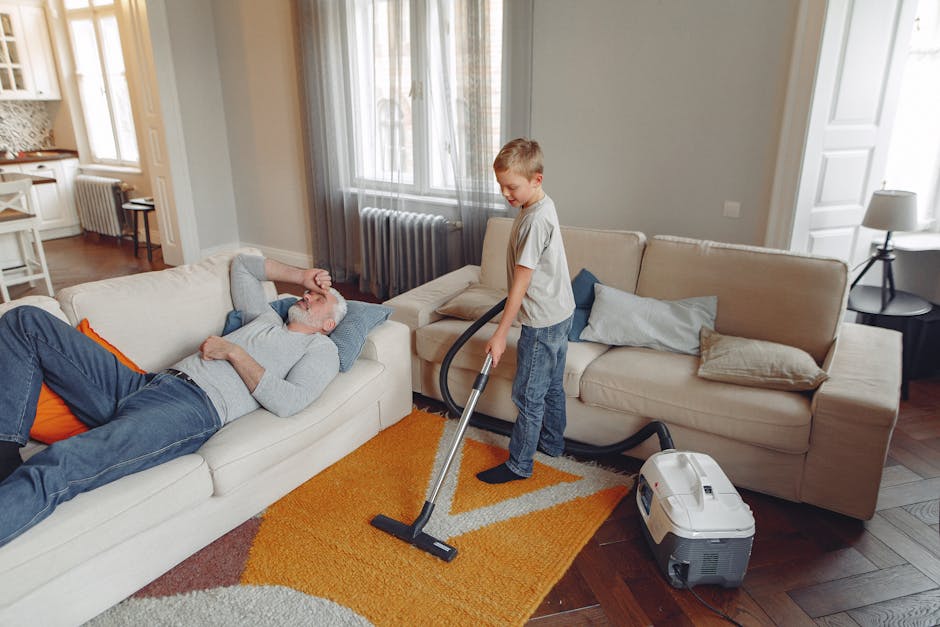
Insider tips to avoid common carpet cleaning mistakes in Harrow
Posted on 01/08/2026
If you have ever cleaned a carpet and thought, "That should have worked better," you are in good company. Carpet cleaning looks simple until a patch dries oddly, a stain comes back, or the room smells damp by teatime. In Harrow, where busy family homes, rented flats, and small offices all see plenty of foot traffic, the difference between a decent clean and a damaged carpet is often in the detail. These insider tips to avoid common carpet cleaning mistakes in Harrow are designed to help you clean smarter, protect your flooring, and know when it makes sense to bring in a professional.
Truth be told, most carpet problems are not caused by one dramatic mistake. They are usually the result of a few small ones: too much water, the wrong product, poor drying, or treating every carpet as if it were the same. Let's fix that. The guide below walks you through what matters, where people go wrong, and how to get much better results without the faff.
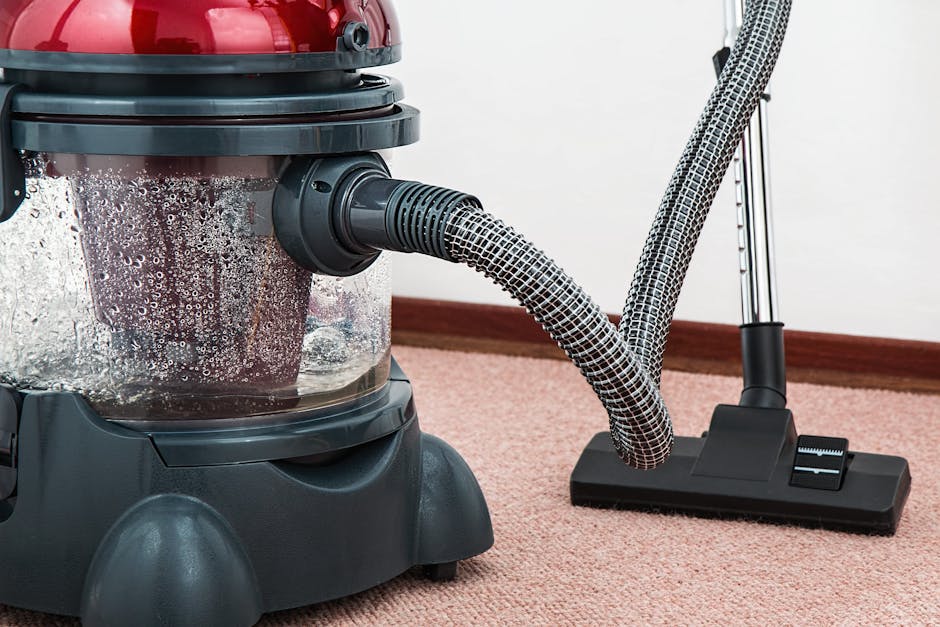
Why Insider tips to avoid common carpet cleaning mistakes in Harrow Matters
Carpets are one of those household surfaces that quietly do a lot of work. They soften a room, dampen noise, and take the brunt of muddy shoes, spilled tea, pet hair, and everyday life. In Harrow, that matters even more because so many homes juggle busy commutes, school runs, guests, tenants moving in and out, and the occasional weekend gathering that leaves crumbs in places no one remembers explaining.
Most carpet cleaning mistakes are expensive in one way or another. Sometimes the cost is obvious, like paying for a second clean. Sometimes it is hidden, like fibre damage, colour bleed, residue build-up, or a stain that has been driven deeper into the backing. And yes, a carpet can look clean for a day and still be worse off underneath. That is the annoying bit.
If you are a homeowner, tenant, landlord, or business manager, good carpet care helps you extend the life of the flooring and avoid unnecessary replacement. It also makes rooms feel cleaner overall, which is one of those things you notice immediately when you walk in: fresher air, brighter pile, less of that slightly stale after-clean smell that nobody wants to admit they know.
There is another local angle too. Many people searching for carpet advice in Harrow are either preparing for a tenancy inspection, freshening up after a renovation, or trying to maintain a property they care about. If that sounds like you, you may also find it useful to look at the real cost guide to carpet cleaning prices in Harrow before you book anything, so expectations are clear from the outset.
How Insider tips to avoid common carpet cleaning mistakes in Harrow Works
The basic idea is simple: identify the carpet type, choose the right cleaning method, treat stains carefully, extract moisture properly, and dry the carpet fast enough to prevent trouble. The problem is that each of those steps hides a few traps.
For example, a wool blend carpet in a Harrow townhouse will not react the same way as a synthetic carpet in a rental flat. Wool can shrink or distort if it is over-wet, while synthetic fibres may tolerate more water but still suffer if residue is left behind. Rugs bring another layer of caution, especially if dyes are unstable. If you are dealing with a more delicate piece, this rug cleaning restoration case study from Harrow-on-the-Hill is a good reminder that textile care is not guesswork.
Professional carpet cleaning usually follows a fairly disciplined process: inspection, pre-treatment, agitation where needed, extraction or rinse, and controlled drying. Home cleaning can follow the same logic, just on a smaller scale. What causes trouble is skipping the inspection and going straight to chemicals and enthusiasm. A dangerous combination, that. You may think you are saving time, but you are often setting yourself up for repeat stains, matting, or colour loss.
One of the smartest things you can do is work backwards from the result you want. Ask: what is the carpet made of, what is the stain, how dry does it need to be, and how much risk can I realistically tolerate? That mindset alone prevents a lot of avoidable mistakes.
Key Benefits and Practical Advantages
A careful carpet cleaning routine offers more than a better-looking floor. It improves how the whole property feels, and it tends to reduce stress too because you are not constantly wondering whether you have made things worse.
- Longer carpet life: Correct cleaning removes soil without grinding grit deeper into the fibres.
- Better appearance: Pile looks more even, colours appear cleaner, and traffic lanes are less obvious.
- Improved hygiene: Dust, allergens, and everyday debris are removed more effectively when the process is done properly.
- Fewer repeat stains: Good rinsing and drying help prevent wick-back, where old marks reappear after drying.
- Lower cost over time: Fewer mistakes means fewer repairs, fewer emergency cleans, and less premature replacement.
For renters, a careful approach can help protect deposit prospects. For landlords, it helps show that a property has been maintained properly rather than simply "cleaned at the last minute." For offices, the benefit is different but just as real: a cleaner first impression, less wear in reception areas, and a more professional feel. If your business is based around Harrow and you need regular support, it may be worth comparing your broader options through the services overview and, where relevant, office cleaning in Harrow.
Expert summary: Most carpet cleaning damage comes from over-wetting, poor product choice, rushed drying, or stain treatment that is too aggressive for the fibre. If you avoid those four things, you avoid most of the pain.
Who This Is For and When It Makes Sense
This guide is useful for almost anyone with carpet under their feet, but a few groups will feel the benefit most.
Homeowners often want to remove everyday dirt without making the carpet look patchy or tired. If you have kids, pets, or a hallway that sees muddy shoes day after day, it is easy for home cleaning to become guesswork. Tenants are usually focused on avoiding deductions or awkward conversations at checkout. A decent clean before the end of a tenancy can be worth far more than a rushed DIY attempt.
Landlords and letting agents need reliable results across different property types, sometimes with awkward deadlines. One-off maintenance may also connect with wider property preparation, which is why some readers pair this topic with end of tenancy cleaning in Harrow or even a broader one-off cleaning service.
Businesses should pay attention when carpets sit in entrances, corridors, or meeting rooms. A small mistake in an office can be more visible than you think, especially under bright lighting. And if your cleaning routine is part of a larger seasonal reset, you might also look at spring cleaning in Harrow for a fuller refresh.
It makes sense to use these tips when the carpet has visible soiling, a fresh spill, a lingering odour, or a planned inspection ahead. It also makes sense when you simply do not want to gamble. Not every job needs a professional, but not every job should be tackled with a bottle from under the sink either.
Step-by-Step Guidance
If you want fewer mistakes, the clean needs a bit of structure. Nothing fancy. Just a calm, sensible sequence.
- Identify the carpet fibre. Check whether it is wool, synthetic, or a blend. If you are not sure, test carefully in a hidden spot. Fibre type affects water tolerance, product choice, and drying time.
- Vacuum thoroughly first. This is not a quick once-over. Go slowly. Dry soil is abrasive, and if you skip this step, you are basically turning dust into fine sandpaper.
- Deal with stains individually. Do not treat the whole carpet with the same product just because one patch looks worse. Blot first, then test, then treat.
- Use the least aggressive method that will work. Start gently. You can always escalate. You cannot easily undo over-scrubbing or dye damage.
- Control moisture. Whether you use a machine or hand-clean, avoid saturating the backing. Too much water is one of the quickest ways to create trouble.
- Extract properly. If residue is left behind, dirt can cling to it and the carpet may look grimy again quite quickly.
- Dry with purpose. Open windows where practical, use airflow, and avoid walking on the carpet too soon. If needed, protect it until fully dry.
- Inspect after drying. Some problems only appear once the pile is dry. Check for reappearing stains, ring marks, and any odd texture changes.
A practical local example: a family in Harrow cleans a hallway carpet after a rainy week and assumes a quick shampoo is enough. The surface looks better, but the underlayer stays damp because the weather is cool and the hallway has poor airflow. By the next morning, the carpet smells a little musty. A fan, a drier extraction pass, and a more modest amount of water would have prevented it. Simple, but easy to miss in the moment.
Expert Tips for Better Results
Here is where the small things really matter.
- Always test first. A hidden corner can tell you a lot about colourfastness and pile reaction. Five minutes here can save a lot of misery later.
- Blot, do not scrub. Scrubbing spreads the stain and roughens fibres. Blotting lifts more of the spill without wrecking the pile.
- Be cautious with stain removers. More product is not better. Residue attracts soil, and some spotters can lighten the area around the stain so it stands out even more.
- Lift furniture carefully. Heavy items can crush damp carpet. Use protective pads if you need to move anything back too soon.
- Watch the edges and seams. These areas are often ignored but they collect dirt and dry differently.
- Mind the weather. A cool, damp Harrow evening is not the time to leave a soaked room with one tiny window cracked open and hope for the best. Hope is not a drying method.
- Keep a record of what you used. Sounds a bit over the top, but if a stain returns later, you will be glad you remembered which product touched it.
If you are booking a service rather than doing it yourself, ask clear questions about the cleaning method, drying expectations, and whether pre-treatment is included. If the discussion turns vague, that is usually a signal to slow down. For anyone worried about surprise extras, this guide to avoiding hidden charges is worth a look before you agree to anything.
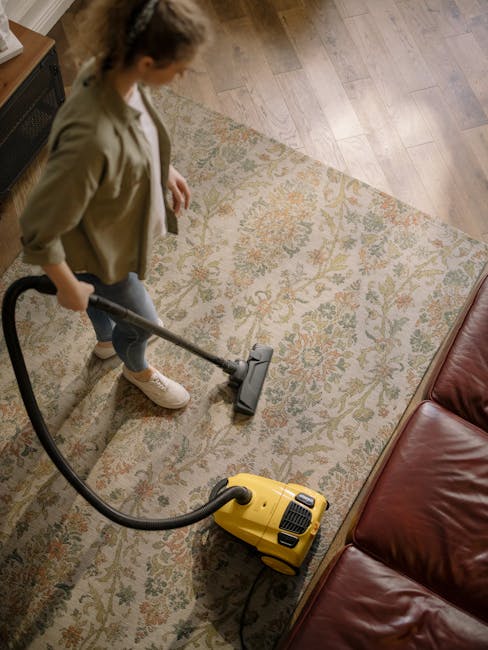
Common Mistakes to Avoid
This is the section that saves people the most pain, usually by pointing out what not to do.
| Mistake | Why it causes problems | Better approach |
|---|---|---|
| Using too much water | Can lead to slow drying, wick-back, smell, and backing damage | Use controlled moisture and extract thoroughly |
| Skipping vacuuming | Loose soil turns into muddy residue when wet | Vacuum slowly before any wet cleaning begins |
| Scrubbing stains hard | Damages fibres and spreads the mark | Blot gently and work from the outside in |
| Using one product on every stain | Different stains react differently | Match the treatment to the stain type where possible |
| Rushing drying time | Leaves carpets vulnerable to odour and resoiling | Use airflow, patience, and limited foot traffic |
| Ignoring carpet fibre type | Some materials are much more delicate than they look | Check composition and test in an inconspicuous area |
One mistake people make in rented homes is trying to do a "good enough" clean the night before checkout. To be fair, nobody enjoys cleaning at the end of a move. But carpets rarely cooperate under pressure. If you are on a deadline, a professional clean is often more reliable than a last-minute DIY sprint.
Another one: assuming that a carpet that looks dry is actually dry. Surface dryness can be misleading. The top feels fine, but the backing is still holding moisture. That is how odours and slow-drying problems sneak in. Sneaky little thing, that.
Tools, Resources and Recommendations
You do not need a truckload of equipment to clean a carpet properly, but a few basics make life easier.
- Good vacuum cleaner: Essential for soil removal before and after cleaning.
- White microfibre cloths: Useful for blotting stains without colour transfer.
- Soft brush: Helps loosen surface dirt on suitable fibres without harsh abrasion.
- Spot testing kit or discreet test area: A simple way to check reactions before committing.
- Fan or airflow support: Helps speed drying and reduce moisture retention.
- Protective pads or foil under furniture legs: Prevents damage when items are returned too early.
If you want a broader understanding of how carpet cleaning fits into the rest of property care, deep cleaning in Harrow and domestic cleaning in Harrow can help frame the bigger picture. For recurring home maintenance, house cleaning in Harrow may also be useful because carpet care often works best when it is part of a regular routine rather than a crisis response.
If you are comparing providers, check whether pricing, payment, and service terms are explained clearly up front. A few minutes spent reading the fine print can save a lot of awkwardness later. That part is never exciting, but it matters.
Law, Compliance, Standards, or Best Practice
For most carpet cleaning jobs in Harrow, the main compliance concerns are less about dramatic legal issues and more about safe, fair, and sensible practice. In plain English: use products responsibly, keep people safe, and do not make promises you cannot keep.
Where cleaning is carried out in homes, rented properties, or workplaces, the basics remain the same. Materials should be treated according to their condition, products should be used according to label guidance, and drying time should be respected. In rented homes, good cleaning practice also helps avoid disputes when a property is handed back. In workplaces, sensible cleaning and risk awareness support a safer environment for staff and visitors.
If a service provider is involved, it is reasonable to expect clear communication about health and safety, insurance, complaints handling, and terms of service. Those pages may not be thrilling reading, but they are part of trust. You can review practical policy pages such as insurance and safety, health and safety policy, complaints procedure, terms and conditions, and privacy policy if you want a fuller picture of how a reputable provider explains its responsibilities.
Also, if you are sharing access details, booking information, or payment data, make sure you understand how those details are handled. That is just basic good sense, really.
Options, Methods, or Comparison Table
There is no single best carpet cleaning method for every situation. The right choice depends on the fibre, the level of soiling, the stain type, and how quickly the carpet needs to be usable again.
| Method | Best for | Pros | Watch out for |
|---|---|---|---|
| Vacuuming and spot treatment | Light maintenance and fresh spills | Low risk, quick, inexpensive | Won't solve deep soil or old stains |
| Home shampoo or spray cleaning | Moderate surface dirt on suitable carpets | Convenient, can improve appearance | Over-wetting, residue, uneven drying |
| Hot water extraction | Deeper cleaning and heavier traffic areas | Strong cleaning power, good rinse action | Needs proper drying and fibre awareness |
| Specialist professional cleaning | Delicate fibres, stubborn stains, end-of-tenancy prep | Better assessment and controlled process | Choose a provider with clear methods and terms |
A sensible rule of thumb: if the carpet is expensive, delicate, heavily stained, or urgently needed for an inspection, professional cleaning is often the safer route. If it just needs a tidy-up, careful DIY may be enough. Not every job needs a van, but not every job wants a sponge and optimism either.
Case Study or Real-World Example
A couple in Harrow contacted a cleaner after noticing a dining room carpet looking patchy following several attempts to remove food and drink marks. The previous cleaning attempts had used too much solution and too much scrubbing, which made the pile look flat in some places and unusually bright in others. The room looked cleaner at first glance, but under daylight the patchiness was obvious.
Instead of applying more product, the cleaner first assessed the fibre, checked the problem areas, and used a lighter pre-treatment with controlled moisture. The key was not force. It was patience. After extraction and careful drying, the carpet looked much more even, and the marks were less noticeable. Not perfect, because real carpets have histories, but noticeably better and a lot more balanced.
The useful lesson here is simple: if a carpet already looks stressed, going harder usually makes it worse. Gentle correction is often more effective than repeated attack. That is true in cleaning, and, frankly, a fair bit of life.
Practical Checklist
Use this quick checklist before you start cleaning or booking a carpet clean in Harrow.
- Have I identified the carpet fibre?
- Have I vacuumed thoroughly before using any liquid?
- Did I test the product in a hidden area first?
- Am I treating the stain specifically rather than flooding the whole area?
- Have I avoided over-scrubbing?
- Do I have a plan for proper drying and airflow?
- Will furniture stay off the carpet until it is fully dry?
- Do I understand what the cleaner includes, especially if I am hiring someone?
- Have I checked pricing and terms so there are no awkward surprises?
- Is the job simple enough for DIY, or would professional help be the safer call?
If you want to compare options or ask for help, it is sensible to start with pricing and quotes, then move on to requesting a quote when you are ready. If you prefer a direct conversation, contact the team and ask the questions that matter to your property.
Conclusion
Carpet cleaning goes wrong most often when people rush, overdo it, or assume every carpet can be treated the same way. The good news is that the fixes are straightforward: know your fibre, vacuum first, use less water than you think, treat stains carefully, and give the carpet time to dry properly. Those small habits make a big difference in the real world.
In Harrow, where homes and workplaces are often busy, lived-in, and expected to look good without constant upkeep, those habits are worth having. A thoughtful clean protects the carpet, improves the room, and saves you from doing the same job twice. Nice when that happens.
Get a free quote today and see how much you can save.
And if you are still deciding whether to tackle the job yourself or bring in help, there is no shame in choosing the route that gives you the best result with the least stress. Sometimes the smartest clean is the one that leaves you with a calmer afternoon and a better-looking floor.