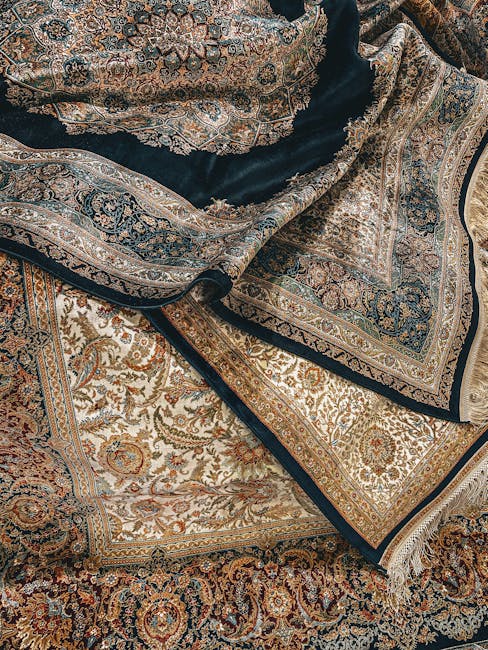
Rug cleaning Harrow on the Hill restoration case study
Posted on 08/07/2026
If you have ever looked at a tired rug and thought, "Can this actually be saved?" you are in the right place. This Rug cleaning Harrow on the Hill restoration case study walks through the kind of real-world clean-up that turns a dull, flattened, stained rug into something presentable again, without pretending every rug is magically rescued. Some are beyond repair, to be fair. But many are not.
What makes rug restoration interesting in Harrow on the Hill is the mix of homes, foot traffic, pets, spillages, and the simple fact that older, better-made rugs are often worth preserving. In this article, you will see how professionals assess damage, choose the right cleaning method, avoid fibre damage, and decide when restoration is sensible versus when replacement is the smarter move. If you want broader context on local carpet care, you may also find carpet cleaning in Harrow useful, or browse the latest Harrow cleaning articles for related guidance.
There is a practical angle here too. A good restoration process is not just about appearance; it can help remove odours, reduce embedded grit, and extend the life of a piece that still has plenty left in it. Let's get into the detail.
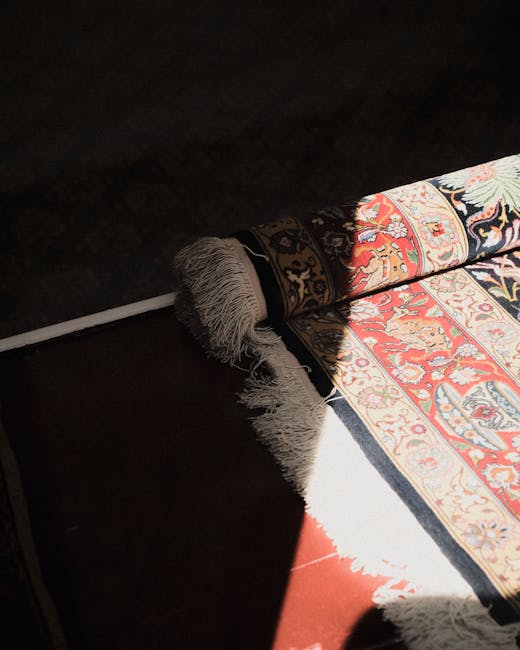
Why Rug cleaning Harrow on the Hill restoration case study Matters
A rug is often more than floor covering. In many Harrow on the Hill homes, it is the thing tying a room together, softening noise, and making a space feel finished. When it becomes stained, musty, or crushed under daily use, the whole room can start to feel a bit off. Not dramatic. Just... less cared for.
This matters because rug damage is often cumulative. Dust settles into the pile, grit cuts fibres over time, and a small spill can turn into a stubborn mark if it is rubbed in or left too long. In a restoration case study, the real value is in showing how condition, fibre type, dye stability, and backing construction all affect the outcome. Two rugs may look similar from across the room, yet need very different treatment once inspected closely.
That is the kind of detail many people miss. They assume "deep clean" means the same process for every rug. It does not. Wool, synthetic fibres, silk blends, hand-tufted pieces, and flatweaves all behave differently. So do old adhesives, fringe, moth damage, and the lovely but slightly annoying legacy of years of under-sofa dust.
Expert summary: A proper rug restoration is part cleaning, part diagnosis, and part restraint. The best result often comes from choosing what not to do.
For readers who are also planning broader home care, a sensible next step is to pair rug care with seasonal upkeep, such as spring cleaning in Harrow or a more general deep cleaning service when the whole property needs attention.
How Rug cleaning Harrow on the Hill restoration case study Works
Restoration starts long before water touches the rug. A professional will normally begin with a fibre test, colour stability check, and an inspection of the backing, edges, fringe, and any visible repairs. That first assessment sets the tone. If the rug is fragile, the process should become gentler. If the damage is localised, a targeted method may be better than full immersion.
In a typical Harrow on the Hill rug restoration, the workflow tends to look something like this:
- Dry soil removal: loose dust and grit are carefully removed, often with controlled agitation and vacuuming.
- Spot identification: stains are identified by type where possible, such as food, drink, pet-related contamination, or general traffic marking.
- Testing: cleaners check how dyes react before applying any moisture or solution.
- Pre-treatment: suitable areas receive targeted treatment, rather than a blanket approach.
- Primary wash or cleaning: the rug is washed using a method that suits its construction.
- Rinse and extraction: residues are removed carefully, which matters more than people think.
- Drying: controlled drying prevents browning, odour retention, and new distortion.
- Finishing: grooming, fringe work, and edge checks complete the process.
The restoration part is what happens in the judgement calls. For instance, a pale wool rug with traffic lanes may need a gentle alkaline adjustment and low-moisture washing, while a synthetic rug with drink stains may tolerate a more direct cleaning route. Same room. Completely different decisions.
If the rug is being cleaned after an end-of-tenancy or property move, it may sit alongside a broader clean. In that case, the team may coordinate with end of tenancy cleaning in Harrow or a one-off cleaning visit so everything is completed in one pass. Handy, really.
Key Benefits and Practical Advantages
The obvious benefit is appearance. A restored rug looks better, smells fresher, and stops dragging the whole room down. But there are several less obvious gains too.
- Longer lifespan: removing grit reduces wear on the pile and backing.
- Better indoor feel: less dust and residue makes the room more pleasant day to day.
- Odour reduction: old spill smells and dampness can be tackled properly.
- Value preservation: quality rugs are worth rescuing when the structure is sound.
- Safer surfaces: flattened or uneven rugs can create tripping concerns, especially on stairs or in busy hallways.
- More honest decision-making: a restoration assessment tells you whether repair, cleaning, or replacement is the real answer.
In practical terms, restoration can also be cheaper than buying a comparable replacement, especially for handmade, wool, or statement rugs. Of course, not every rug deserves full intervention. A budget synthetic piece with heavy damage may be better replaced. But a decent rug with staining and dullness? Often worth a proper attempt.
There is also a comfort factor. You notice it on a rainy afternoon, shoes left by the door, the faint smell of clean fabric drying near a radiator. The room just feels more settled. Small thing, perhaps. Not really small though, when you live with it every day.
Who This Is For and When It Makes Sense
This kind of rug restoration is a good fit for homeowners, landlords, tenants, property managers, and anyone caring for a rug that has genuine sentimental or financial value. It is especially relevant if the rug shows one or more of the following:
- traffic lane dulling in main walkways
- food or drink spills that were left too long
- pet odours or pet-related marking
- general dust loading and dull colour
- fringe discolouration
- flattened pile or pressure marks from furniture
- musty smell from poor storage or damp rooms
- mild damage after DIY cleaning attempts
It also makes sense if you are preparing a home for sale, a new tenancy, or a seasonal refresh. Harrow on the Hill has plenty of homes where presentation matters; rugs can quietly shape the first impression. If you are in that stage, pairing rug work with a broader home plan such as the house cleaning service or the more general services overview can make planning easier.
Who should be cautious? Anyone with a very delicate antique, an unstable dye set, or a rug that is already structurally failing. In those cases, cleaning is not automatically the right answer. Sometimes stabilisation or professional advice is the first step, not a wash.
Step-by-Step Guidance
If you want to understand how restoration usually unfolds, here is the process in plain English. This is the part that helps you judge a quote, ask better questions, and spot any rushed operator a mile off.
- Assess the rug honestly. Check pile texture, edge wear, staining, smell, and any visible damage. Photograph problem areas before anything is moved.
- Identify the fibre. Wool, synthetic, viscose, silk, cotton, and blended rugs respond very differently to moisture and chemistry.
- Test before treatment. A small hidden area should be checked for dye bleeding and fibre reaction. No one wants surprise colour migration. Nobody.
- Remove dry soil. This is essential. If grit remains, you are basically washing sandpaper into the pile.
- Treat stains locally. Start with the least aggressive method that might work. Escalate only if needed.
- Choose the right wash method. Some rugs suit low-moisture cleaning; others need a fuller wash and careful extraction.
- Rinse thoroughly. Residue left behind can attract dirt faster later, which defeats the point.
- Dry under control. Good airflow matters. So does patience. Rushing drying is where many problems start.
- Finish and inspect. The final check should include pile alignment, fringes, edges, odour, and any remaining mark visibility.
A useful question to ask during any restoration job is simple: what would make you stop or change the method? If the answer is vague, that is a yellow flag. A competent cleaner should be able to explain the limits clearly and calmly.
Expert Tips for Better Results
Here is where a little experience goes a long way. Rugs often look straightforward until the first test patch. Then the real picture appears.
- Act quickly on spills, but do not scrub hard. Blotting is safer than rubbing.
- Keep moisture under control. Too much can cause browning, shrinkage, or backing distortion.
- Lift heavy furniture carefully. Do not drag it over the pile while cleaning around it.
- Use the mildest suitable chemistry first. Stronger is not always better.
- Expect a difference between surface marks and deep contamination. Some stains are cosmetic; others are structural.
- Ask about drying conditions. A warm room with poor airflow is not enough on its own.
- Combine cleaning with maintenance. Rotating the rug and vacuuming gently afterwards helps preserve the result.
One small but important tip: if fringe is old or fragile, handle it separately and gently. It is often the first thing to show wear and one of the easiest things to damage. A bit like the trim on an old coat, really. The whole look depends on it.
If you are comparing providers, pricing matters too. A fair quote should explain the method, any spotting or stain risks, and whether collection, drying, or aftercare is included. For a better sense of what affects pricing, see this Harrow cost guide and the note on avoiding hidden charges.
Common Mistakes to Avoid
Most rug damage from DIY care comes from good intentions and slightly too much confidence. It happens.
- Using hot water on the wrong rug: heat can set some stains and distort delicate fibres.
- Over-wetting: this risks backing damage, slow drying, and odour.
- Scrubbing stains aggressively: that can spread the mark and rough up the pile.
- Using random household chemicals: bleach, stain removers, and scented cleaners can react badly with dyes.
- Ignoring the underlay or floor below: moisture can pass through and cause hidden issues.
- Skipping a proper test patch: this is how colour loss surprises happen.
- Not assessing the rug's value first: some pieces deserve restoration, others deserve restraint.
It is also easy to overlook logistics. A rug that needs drying space, safe transport, or careful handling is not a "drop it in the boot and hope for the best" item. If the rug is part of a wider clean-out or move, read up on local planning through the home buyer checklist or the local perspective pieces such as living in Harrow. They are not rug guides, obviously, but they help frame the wider home-care context.
Tools, Resources and Recommendations
Good rug restoration depends on the right tools, but also on knowing which tools should stay in the cupboard. The aim is controlled, repeatable work.
Commonly useful items include:
- professional vacuuming equipment with adjustable suction
- soft brushes for grooming and fibre alignment
- spotting cloths and clean white towels
- carefully chosen cleaning solutions suited to fibre type
- controlled extraction or rinse equipment
- airflow support for drying
- protective handling materials for transport and staging
From a consumer perspective, the most useful resources are not flashy. They are the things that help you make a better decision: a written method explanation, a clear before-and-after inspection, and a straight answer about risk. If a cleaner cannot explain what they will do, and why, that is not ideal.
For broader domestic support, some readers prefer combining rug care with domestic cleaning in Harrow or a targeted upholstery cleaning service so soft furnishings are refreshed together. It is often the more efficient route, especially in busy households.
Law, Compliance, Standards, or Best Practice
Rug cleaning is not usually a heavily regulated activity in the way some specialist trades are, but best practice still matters. In the UK, reputable cleaning businesses should work with sensible health and safety procedures, appropriate chemical handling, and careful attention to fibre and dye risks. That is not bureaucracy for its own sake. It is what prevents avoidable damage.
From a practical standpoint, a trustworthy provider should be able to discuss:
- safe handling of cleaning products
- risk of colour loss or shrinkage
- drying and ventilation precautions
- care around fragile fringes and hand-made fibres
- insurance and liability expectations
- what happens if the rug does not respond as hoped
If the rug belongs to a tenant, landlord, or managed property, it is wise to keep the expectations aligned with the tenancy condition report or inventory. This is especially important if the work forms part of a move-out clean. For that reason, the pages on end of tenancy cleaning and insurance and safety are helpful context when you are deciding how far the restoration should go.
And yes, if you are asking whether a cleaner should just "go for it" on a delicate piece, the answer is usually no. Careful testing first is the sensible standard. Every time.
Options, Methods, or Comparison Table
Different rugs need different solutions. Here is a simple comparison to help you think clearly before booking anything.
| Method | Best for | Strengths | Limitations |
|---|---|---|---|
| Vacuum + spot treatment | Light soiling and recent marks | Fast, low risk, inexpensive | Not enough for deep contamination |
| Low-moisture cleaning | Sensitive fibres or moderate wear | Reduced drying time, less saturation | May not fully remove old embedded stains |
| Full wash with controlled extraction | Wool and durable rugs with heavier soil | Deep cleaning, better soil removal | Needs skill, space, and drying control |
| Specialist restoration | Antique, valuable, or damaged rugs | Tailored care, risk-managed approach | Slower and usually more costly |
There is no universally "best" method. That is the point. The right choice depends on construction, value, contamination level, and how quickly you need the rug back in use. A cheap, quick fix can look tempting. But if the rug matters, the careful method usually wins.
Case Study or Real-World Example
Here is a realistic restoration scenario from a Harrow on the Hill property, with a few details simplified to protect privacy and keep the focus on the process.
A medium-sized wool rug in a sitting room had three issues: general dulling from foot traffic, a faded tea spill near one edge, and a slightly musty smell after months in a room with limited ventilation. The owners liked the rug, but it had started to look tired against a light sofa and wood flooring. They were debating replacement.
During inspection, the rug was found to be structurally sound, with no major backing separation and only modest edge wear. That was the good news. The less-good news: the tea stain had partially dried in, and the pile had flattened in the main walk path. So the plan changed from "simple clean" to "careful restoration."
The first step was dry soil removal. This made a bigger difference than expected, which is common. Once the loose dust was gone, the true colour of the rug started to show. A targeted pre-treatment was then applied to the stain area after a discreet test confirmed no visible dye shift. The wash method chosen was controlled and moderate, not overly wet, because the fibre and backing did not need heavy saturation.
After cleaning, the rug required proper drying with airflow and time. Not glamorous, but essential. The team then groomed the pile so it dried in a more even direction, and gave the fringe a separate, gentler finish. The result was not "brand new." That would be unrealistic. But it was clearly revived. The room looked calmer, fresher, and more intentional again.
That is the heart of a good Rug cleaning Harrow on the Hill restoration case study: not perfection theatre, just a thoughtful recovery that respects the rug's actual condition.
Practical Checklist
Before you book a rug restoration, run through this checklist. It saves time, and sometimes money too.
- Identify the rug type if you can: wool, synthetic, blend, handmade, antique, or unknown
- Take clear photos of stains, wear, and fringe condition
- Check whether the rug smells damp, musty, smoky, or pet-related
- Note any previous DIY treatments or cleaning products used
- Measure the rug roughly so you can discuss size accurately
- Ask whether the cleaner will test for dye stability first
- Ask how drying will be managed and how long it may take
- Clarify whether collection, return, and finishing are included
- Confirm what happens if a stain improves only partially
- Make sure you understand the cost before work begins
If you are preparing multiple items at once, such as carpets, rugs, and soft furnishings, it may make sense to look at broader support through one-off cleaning in Harrow or, for a more comprehensive house refresh, house cleaning in Harrow. Sometimes the best answer is to sort the whole room, not just the rug. Simple as that.
Conclusion
A well-handled rug restoration is equal parts caution, experience, and respect for the item in front of you. The best outcomes come from proper inspection, careful testing, the right cleaning method, and realistic expectations. In Harrow on the Hill, where homes often blend everyday use with a bit of style and history, that kind of work really does matter.
So if your rug looks tired, stained, or slightly unloved, do not write it off too quickly. A proper assessment can reveal more than you might expect, and sometimes the difference between keeping and replacing comes down to one careful decision at the start. Truth be told, that first decision is usually the most important one.
Get a free quote today and see how much you can save.
For help planning the next step, you can also request a quote or contact the team directly if you want to discuss a specific rug condition before booking anything.