Urgent flood carpet drying and cleaning Harrow homes
Posted on 22/10/2026
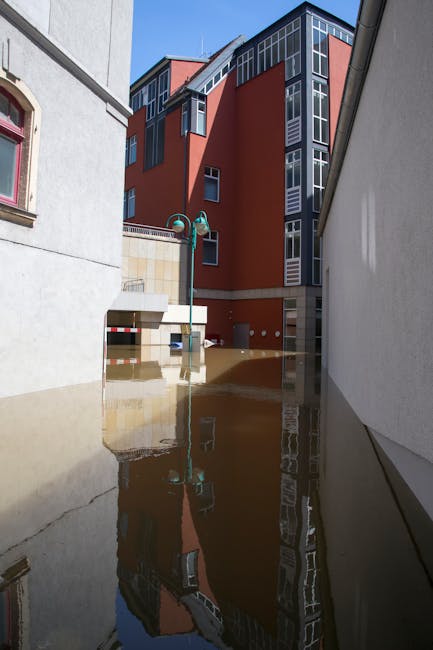
When water gets into a carpet, the clock starts ticking. In Harrow homes, a burst pipe, appliance leak, overflowing bath, or stormwater creeping in through a doorway can turn a normal evening into a very stressful one. Urgent flood carpet drying and cleaning Harrow homes is about more than making the floor look tidy again. It is about reducing long-term damage, stopping that damp smell from taking hold, and protecting the underlay, skirting, and sometimes even the subfloor beneath.
Truth be told, a soaked carpet can look deceptively manageable at first. You may think, "It's just a bit wet, I'll leave the window open." But the hidden moisture is the real issue. If you act quickly, you have a much better chance of saving the carpet and avoiding a bigger repair bill later. This guide walks through what urgent drying and cleaning actually involves, what to do first, and how to make sensible decisions for your Harrow home without panic.
You will also find practical tips, a comparison of methods, a checklist, and answers to the questions people ask most often. No fluff. Just the useful stuff, explained in plain English.
Why Urgent flood carpet drying and cleaning Harrow homes Matters
Carpet behaves a bit like a sponge, especially if water reaches the backing or the underlay. Once moisture settles in, it can spread sideways as well as downwards. That is why a small-looking spill can become a much wider damp area than you first noticed. In a typical Harrow home, whether it is a flat near the station or a family house on a residential road, delays can cause real problems.
The biggest risk is simple: moisture left in place creates conditions for mould, odour, and deterioration. A carpet that feels only slightly wet on top may already be damp underneath. If the underlay stays wet too long, it can start to break down, and the smell can linger even after the surface looks clean. Nobody wants that musty, stale smell that seems to settle into a room, does a bit of a stubborn job, and refuses to leave.
There is also the matter of hygiene. Floodwater may contain dirt, debris, or contamination depending on where it came from. Even a clean-looking leak from a washing machine or radiator can leave residues behind. That is why urgent cleaning is not just cosmetic. It is about making the room safer and more comfortable again.
Expert takeaway: the faster a wet carpet is assessed, dried, and cleaned, the better the chance of saving it. Delay is often what turns a manageable incident into a bigger restoration job.
Harrow homes vary a lot in layout and flooring type, which matters too. A ground-floor room with timber subflooring will need a different approach from a top-floor flat with a concrete base. So there is no one-size-fits-all fix. The goal is to remove moisture safely, clean the fibres properly, and check what sits underneath. That is the part many people miss.
How Urgent flood carpet drying and cleaning Harrow homes Works
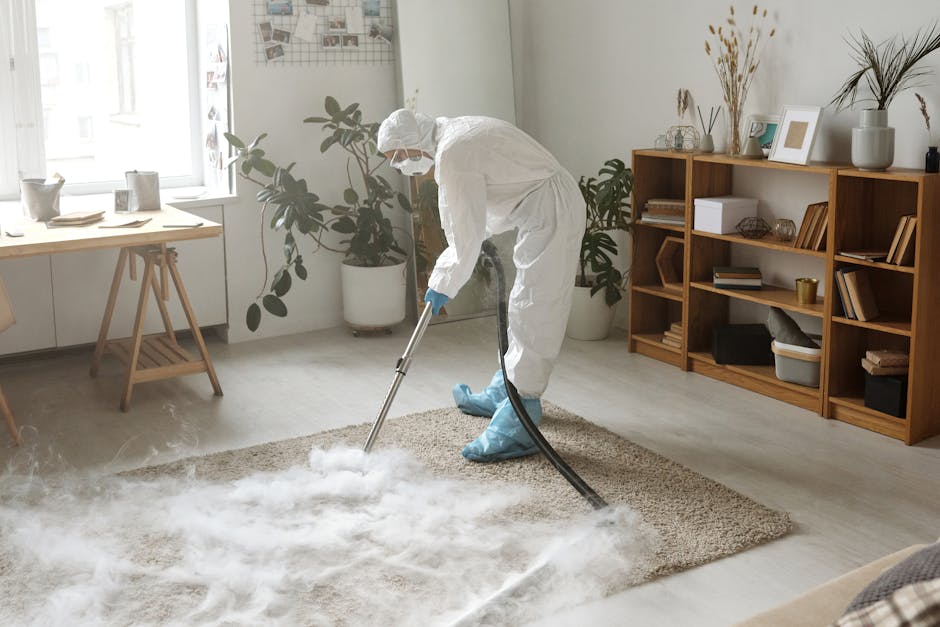
At a practical level, the process has three linked stages: assess, extract, and dry. Some jobs also need sanitising, deodorising, and detailed stain treatment. The exact method depends on the source of water, how long the carpet has been wet, and what type of carpet is installed.
1. Assessment and moisture check
The first step is to work out how far the water has travelled. You may only see the surface wet, but moisture can move under furniture, along edges, and into adjoining rooms. In a proper assessment, attention is usually given to the carpet pile, backing, underlay, and surrounding surfaces. A quick visual check is not always enough. If the room smells damp, feels cold underfoot, or dries unevenly, there is probably moisture still hiding.
2. Water extraction
Once the affected area is identified, standing water and surface moisture need to be removed. In many cases, a wet vacuum or extraction machine is used first. This step matters because fans alone do not solve a soaked carpet. They help later, but only after the loose water is out. If the carpet is heavily saturated, you may even notice water appearing again from the underlay when pressure is applied. Annoying, yes, but useful to know.
3. Cleaning and treatment
Cleaning comes next. If floodwater has brought in dirt, silt, or odour, the fibres may need a targeted clean. Depending on the carpet type and condition, that might involve hot water extraction, low-moisture cleaning, or specialist stain treatment. Care is important here. Too much water during cleaning can make the problem worse, so the method needs to match the floor conditions.
4. Drying and airflow management
After cleaning, the carpet must dry evenly and thoroughly. Professionals often use air movers and dehumidification to speed up evaporation and reduce the chance of lingering damp patches. In real homes, airflow has to be managed carefully. Open windows can help in mild weather, but if outside air is humid or cold, they may slow the process. A smart drying setup usually works better than hoping for a sunny day that may never quite arrive.
5. Final checks
The last stage is verification. The room should feel dry, smell neutral, and show no dampness at the edges. Furniture may need repositioning only when the fibres are ready. If the carpet still feels cool and spongy in the morning, it is not fully dry yet. Better to check twice than to rush it once.
Key Benefits and Practical Advantages
There is a clear difference between doing the minimum and doing the job properly. Urgent flood carpet drying and cleaning in Harrow homes offers several practical advantages, especially when time is short and the room needs to be usable again.
- Reduces the chance of mould and mildew: fast drying removes the moisture that mould needs to grow.
- Helps protect the carpet structure: fibres, backing, and underlay last longer when they are dried correctly.
- Improves indoor air quality: less damp means less musty smell and fewer lingering irritants.
- Can save replacement costs: if the carpet is treated promptly, replacement may not be necessary.
- Restores comfort faster: you get the room back sooner, which matters in family homes and busy households.
- Supports safer living conditions: wet floors are slippery, and saturated carpet can hide hazards underneath.
There is a quiet but important benefit too: peace of mind. Once the room is drying properly, the stress usually drops. You stop wondering whether the damage is getting worse every hour. That psychological relief is real. Let's face it, water damage has a way of making the whole house feel a little off until it is handled.
Another advantage is better decision-making. Once you know whether the water is clean, grey, or dirty, you can decide whether cleaning and drying is enough or whether part of the carpet needs removing. That judgement call is where a sensible inspection pays for itself.
Who This Is For and When It Makes Sense
This service makes sense for anyone in Harrow dealing with a water-affected carpet and wanting a prompt, practical solution. It is especially relevant if the room is in regular use, the carpet is expensive, or the moisture has spread beyond a small patch.
You may need urgent carpet drying and cleaning if:
- a pipe or radiator has leaked onto the floor
- a washing machine, dishwasher, or appliance has overflowed
- rainwater has entered through a door, window, or ground-floor threshold
- a toilet, sink, or bath has overflowed and reached the carpet
- a child, pet, or accidental spill has soaked deep into the pile and underlay
- the carpet smells damp after a leak that happened earlier in the day
It also makes sense if you are a landlord, tenant, homeowner, or managing a short-let property. In rental situations, fast action can reduce downtime and avoid disputes about damage. If you are in the middle of a move, it matters even more. A wet carpet during packing or handover can cause delays, and nobody enjoys that last-minute scramble.
Sometimes people wait because they are not sure whether the carpet is "wet enough" to worry about. A good rule of thumb: if the carpet feels cool, smells damp, or the underlay has been affected, treat it as urgent. Why risk a bigger issue over a day or two of hesitation?
Step-by-Step Guidance
If your carpet has been flooded or heavily soaked, the first hour matters most. Here is a sensible sequence to follow while you decide whether to call in help or begin the initial response yourself.
- Make the area safe. Stop the water source if you can do so safely. Avoid electrical hazards. If sockets, extension leads, or appliances are affected, do not wade into the area casually.
- Move light furniture. Lift chairs, rugs, baskets, and smaller items out of the wet area. Avoid dragging heavy furniture across the carpet, because that can stain or tear fibres.
- Blot and lift visible water. Use clean towels or absorbent cloths to remove surface water. Press, don't rub. Rubbing often pushes moisture deeper. Bit of a simple rule, but easy to forget when you are stressed.
- Open the room sensibly. If weather conditions are suitable, allow some ventilation. If the air outside is damp or cold, keep the room managed rather than fully open to the elements.
- Check the edges and underlay. Pull back a corner only if it is safe and practical. If the underlay is wet or the moisture has spread under skirting, the problem is bigger than it first looked.
- Arrange proper extraction and drying. Use the right equipment for the room. Fans help, but extraction and dehumidification are usually what make the difference.
- Clean the fibres appropriately. Treat dirt, odour, and residue once excess water is removed. If there is contamination, the cleaning stage becomes even more important.
- Monitor progress. Drying should be checked over time, not guessed at. The carpet should feel dry evenly, not just on top.
- Only move furniture back when safe. Heavy items on damp carpet can create marks, trapped moisture, and new problems.
- Follow up if the smell returns. A returning damp smell usually means moisture is still present somewhere below the surface.
If you are dealing with a major leak or flood, the sensible move is to act quickly and keep the room as stable as possible until help arrives. That steady approach tends to work better than frantic DIY experiments, no matter how tempting those are at 10pm.
Expert Tips for Better Results
A few practical habits can make a real difference to how well a flooded carpet recovers. These are the details people often overlook.
- Know the water type. Clean water from a supply line is one thing. Grey water from appliances or dirty water from external flooding is another. The drying and cleaning approach should match the risk.
- Work from the edges inward. Moisture often spreads further than the visible wet patch. Treat the outer damp zone too, not just the obvious centre.
- Do not trap moisture under furniture. Even a small table leg can leave a damp mark that takes ages to dry.
- Be cautious with heat. Too much direct heat can damage certain carpets or set stains. Controlled airflow is usually safer.
- Listen for underlay issues. A squelchy or soft sound underfoot often means moisture is still below the pile.
- Smell matters. If the room still carries a damp, earthy smell after drying, there is likely something left to address.
One thing that surprises people is how quickly odours return if drying is incomplete. The room can seem fine by lunchtime, then by evening the smell comes back once the air cools. That is usually a sign the job was only halfway done. Not ideal, obviously.
If the carpet is wool, delicate, or older, a gentler approach may be needed. Synthetic carpets are often more forgiving, but they are not indestructible. The right method is the one that dries thoroughly without creating new damage. That balance matters more than speed alone.
Common Mistakes to Avoid
In our experience, the biggest problems after a flood usually come from well-meaning first reactions. People want to help the situation immediately, which makes sense, but a few common mistakes can make drying harder.
- Leaving water too long: even a delay of several hours can allow moisture to travel into the underlay or edges.
- Using too much DIY water: scrubbing or over-wetting during cleaning can spread the damage.
- Assuming the top is enough: if the surface feels dry, people often stop too soon. Underneath may still be wet.
- Ignoring the smell: a damp odour is a warning sign, not just an inconvenience.
- Moving furniture back early: this can trap moisture and leave rust or dye marks.
- Skipping sanitising where needed: if the water source was contaminated, cleaning alone may not be enough.
There is also a temptation to keep blasting the area with a household fan and hope for the best. A fan helps, yes, but one fan in one corner is not a full drying strategy. It is a bit like drying one sleeve and calling the whole shirt done.
Another mistake is ignoring what happens in the room next door. Flooding can spread under thresholds and skirting boards. If the visible carpet looks fine but the adjoining area feels cool or smells damp, take that seriously. Small clue, big difference.
Tools, Resources and Recommendations
The right equipment can dramatically improve outcomes. While not every homeowner needs to own specialist gear, it helps to understand what is commonly used during flood carpet drying and cleaning.
- Wet vacuum or extraction machine: removes standing water and moisture from the pile.
- Air movers: circulate air across the carpet surface to speed evaporation.
- Dehumidifier: pulls moisture from the air, which helps the carpet dry more evenly.
- Moisture meter: checks whether the carpet, underlay, or subfloor still holds hidden damp.
- Cleaning solution suited to the carpet type: useful for stain removal and residue control.
- Protective gloves and basic PPE: sensible if the water is dirty or the area feels unsafe.
If you are comparing services, it can also help to look at how a company explains its approach, pricing, and safety standards. Pages such as the services overview and pricing and quotes can give you a clearer sense of what is included before you commit. For broader support around general floor care, carpet cleaning in Harrow and deep cleaning support are useful reference points too.
And if the fabric has taken on water and soil together, it is sometimes worth checking whether nearby items also need attention. Upholstery and soft furnishings can absorb moisture in much the same way, so the issue is rarely isolated to one patch of carpet.
Law, Compliance, Standards, or Best Practice
Flood and water damage in a home does not usually involve highly technical legal steps for the homeowner, but there are still sensible UK standards and best practices to bear in mind. The main priorities are safety, proper waste handling if contaminated materials are removed, and careful treatment of any electrical risk.
If the water damage affects wiring, sockets, or appliances, do not assume everything is safe just because the carpet looks dry. Electrical issues can remain hidden. If there is any doubt, the area should be treated cautiously until a qualified person has assessed it. That is plain common sense, really, but it bears saying.
For rented homes, it is also good practice to keep records: photos, dates, notes of the leak, and any communication with a landlord or letting agent. This can help if there are questions about responsibility or timing later on. Calm records beat memory every time, especially after a stressful event.
Where carpet cleaning or waste removal is involved, local waste rules and safe disposal practices should be followed if anything contaminated has to be removed. If you are unsure whether underlay, padding, or a heavily affected section should be kept or discarded, erring on the side of safety is usually the wiser option.
Professional providers should also be able to explain their safety approach clearly. That includes how they protect flooring, manage moisture, and handle potentially contaminated materials. A straightforward answer here is a good sign. If the explanation feels vague, ask more questions.
Options, Methods, and Comparison Table
Different drying and cleaning methods suit different levels of damage. The right choice depends on how wet the carpet is, what caused the flood, and how quickly you need the room back in use.
| Method | Best for | Advantages | Limitations |
|---|---|---|---|
| Basic towel drying and ventilation | Very small clean spills | Quick, low-cost, easy to start immediately | Not enough for soaked underlay or flood damage |
| Wet vacuum extraction | Surface water and moderate saturation | Removes a lot of moisture quickly | May not solve hidden damp without follow-up drying |
| Air movers and dehumidification | Most flood-damaged carpets | Speeds drying and helps prevent trapped moisture | Requires correct setup and monitoring |
| Hot water extraction cleaning | Dirty fibres after water damage | Helps lift soil, residue, and odour | Must be used carefully to avoid re-wetting the carpet |
| Partial removal and replacement | Severe contamination or structural damage | Best when materials cannot be safely restored | More disruptive and costly than drying alone |
There is no prize for using the most complicated method. The best method is the one that restores the room safely and completely. Sometimes that means a simple extraction and dry-down. Other times it means removing badly affected padding or replacing a section of carpet. The honest answer is better than the hopeful one.
Case Study or Real-World Example
Picture a typical Harrow household on a cold weekday morning. A washing machine hose loosens slightly overnight, and by breakfast there is a damp patch spreading from the utility area into the hall carpet. Nothing dramatic at first glance. No dramatic waterfall, no movie scene. Just a stubborn wet zone and a slightly odd smell.
The first reaction is usually to grab towels and hope it is limited. That helps a little, but the moisture has already travelled under the visible pile. Once the carpet is lifted at the edge, the underlay is damp too. At that point, leaving it to "air out" would probably mean the room still feels chilly and smells off two days later.
The better response is a rapid assessment, water extraction, controlled drying, and a proper clean once the bulk moisture is removed. In a case like this, the aim is not only to dry the room but to prevent the underlay from holding the water and re-wetting the carpet fibres overnight. That is a detail people often miss until they wake up to the same damp patch, just quieter.
After drying, the carpet should be checked again in the corners and along the threshold. If the smell is gone, the underfoot feel is normal, and the fibres spring back properly, the job is on the right track. If not, a second round of drying may be needed. That's not failure. It is just thoroughness.
Practical Checklist
Use this quick checklist if you are dealing with a wet carpet in a Harrow home:
- Stop the water source if it is safe to do so
- Switch off affected electrical items and keep clear of hazards
- Move loose furniture and belongings away from the damp area
- Remove as much surface water as possible
- Check whether the moisture has reached the underlay or adjoining room
- Use airflow and drying equipment appropriately
- Clean the fibres once the excess water is removed
- Watch for lingering odour, cool patches, or spongy areas
- Do not replace furniture until the carpet is fully dry
- Arrange further help if the carpet still feels damp after drying
If you are unsure about contamination, hidden damp, or structural damage, pause and reassess. Better to be a little cautious now than to deal with mould or replacement later. No drama, just sensible timing.
Conclusion
Urgent flood carpet drying and cleaning Harrow homes is one of those jobs where speed matters, but judgement matters just as much. The best outcome usually comes from acting quickly, removing moisture properly, cleaning with care, and checking for hidden damp before calling the room finished. In practice, that means paying attention to the whole floor system, not just the visible carpet.
If you are facing a wet carpet right now, keep calm and work through the basics carefully. Protect the room, protect the flooring, and do not ignore the small signs that tell you moisture is still around. That damp smell, that cool patch underfoot, that slight softness at the edge - they all matter.
And if you want a straightforward next step, it is sensible to speak with a local specialist who understands both drying and carpet care in Harrow homes. A quick, informed response today can save a lot of hassle tomorrow.
Get a free quote today and see how much you can save.